How to Tell if a Filet Mignon Is From Beef Tenderloin
When you pick up a filet mignon, it’s easy to assume it’s from the beef tenderloin, but that’s not always the case. To ensure you’re getting an authentic cut, you’ll want to look closely at its size, shape, and texture. Knowing how to tell if a filet mignon is from beef tenderloin can save you from disappointment.
Pay attention to subtle details like the grain and marbling of the meat. Genuine filet mignon is typically small, round, and tender with fine muscle fibers. By understanding these characteristics, you can make sure your meal lives up to expectations.
Let’s explore how you can tell for sure if your filet mignon is truly from the beef tenderloin.
Understanding the Origin of Filet Mignon
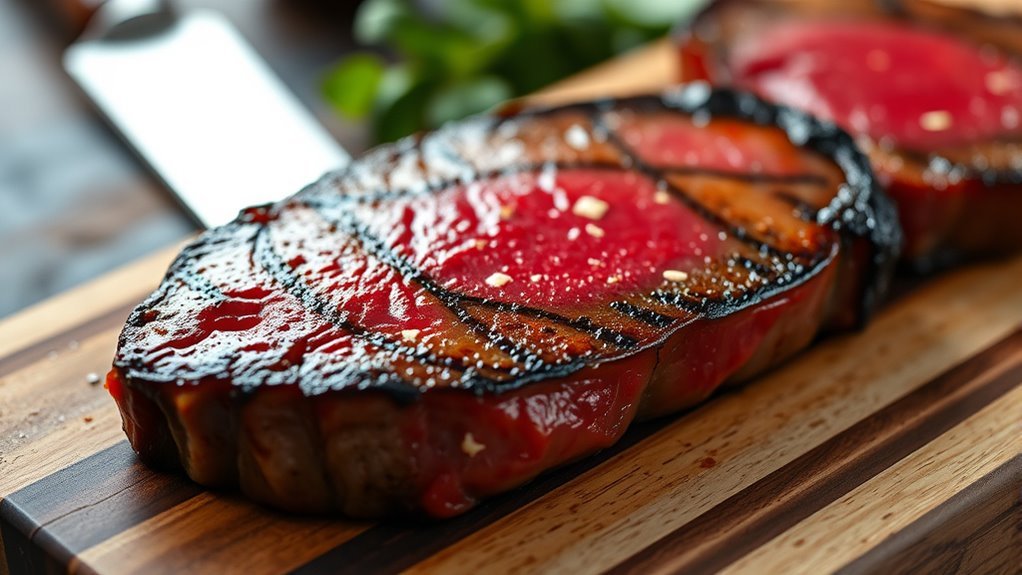
Although you might already enjoy filet mignon for its tenderness, understanding its origin will deepen your appreciation. Filet mignon comes from the beef tenderloin, a long, narrow muscle located beneath the ribs and next to the backbone.
This muscle does very little work, which is why the meat remains exceptionally tender. When you select a filet mignon, you’re choosing a steak cut from the smaller end of this tenderloin.
Knowing this helps you understand why it’s so prized and expensive compared to other cuts. The tenderloin’s minimal connective tissue and fat contribute to the filet’s melt-in-your-mouth texture.
Visual Characteristics of Beef Tenderloin
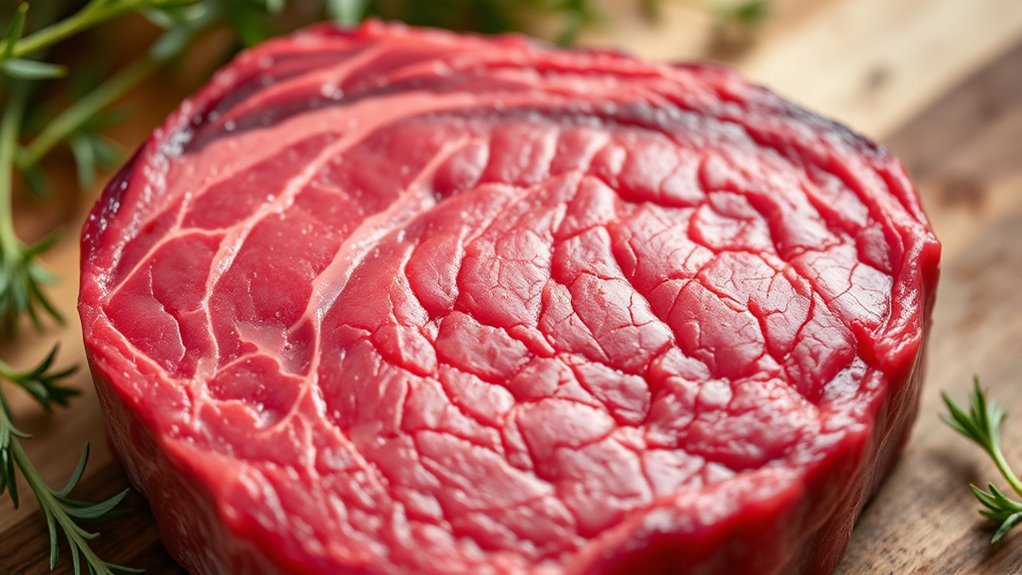
Understanding where filet mignon comes from sets the stage for recognizing its visual traits. When you look at beef tenderloin, you’ll notice distinct features that help confirm its identity.
Pay attention to these key characteristics:
- Color: Tenderloin has a consistent, deep red color with minimal marbling.
- Texture: The muscle fibers are fine and tightly packed, giving it a smooth appearance.
- Shape: It’s cylindrical and tapers at one end, without irregular edges.
- Fat Cap: A thin layer of fat may cover parts but is generally minimal and even.
Checking the Cut’s Size and Shape
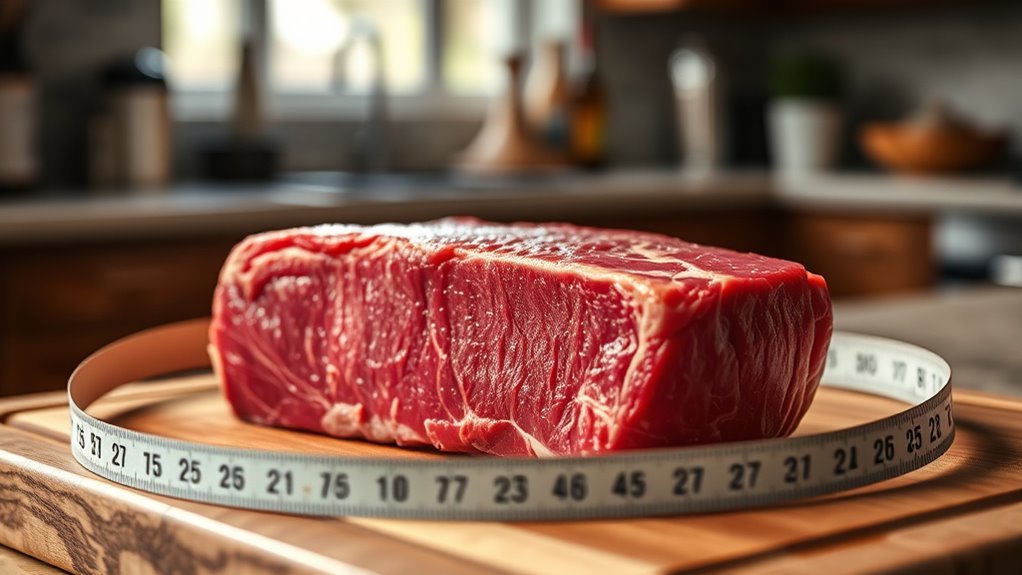
When you examine a filet mignon, size and shape offer clear clues about its origin from the beef tenderloin. You’ll notice that authentic filet mignons are usually small, thick, and round, typically weighing between 6 and 8 ounces.
Their thickness often ranges from 1.5 to 2 inches, reflecting the tenderloin’s narrow, cylindrical muscle structure. If the steak is unusually thin or irregularly shaped, it mightn’t be a true filet mignon.
The edges should be smooth and consistent, without jagged cuts, indicating careful trimming from the tenderloin. Keep in mind that the tenderloin tapers, so cuts closer to the center tend to be more uniform in size and shape, while those from the ends might vary slightly.
This measurement helps you confirm the cut’s authenticity before cooking.
Identifying the Texture and Grain
Beyond size and shape, the texture and grain of a filet mignon reveal important details about its origin. When you examine the meat closely, look for these key characteristics:
Texture and grain offer key insights into the quality and origin of a filet mignon.
- Fine grain: The muscle fibers should be tightly packed and delicate, indicating tenderness typical of beef tenderloin.
- Smooth texture: A true filet mignon feels velvety, without coarse or rough patches.
- Minimal marbling: Unlike other steaks, filet mignon has subtle fat distribution, ensuring a lean but juicy cut.
- Uniform muscle structure: The fiber direction should be consistent, with no irregular patterns or gaps.
Recognizing Authentic Labels and Certifications
Although the appearance and texture of a filet mignon can give you clues, you should always check for authentic labels and certifications to confirm it’s truly from beef tenderloin.
Look for USDA Choice or Prime grades, which indicate high-quality cuts.
Certifications like “Certified Angus Beef” or “American Beef” also guarantee strict standards in sourcing and processing.
Pay attention to labels stating the cut’s origin. Terms like “center-cut” or “tenderloin” specifically suggest filet mignon.
Avoid vague packaging without clear information, as it mightn’t be the genuine tenderloin cut.
By verifying these trusted labels and certifications, you ensure you’re getting the premium, tender filet mignon you expect, rather than a substitute or lower-grade cut.
This step protects both your palate and your investment.
Tips for Buying Filet Mignon From Trusted Sources
Since quality matters most with filet mignon, you should buy from sources that prioritize transparency and expertise.
To guarantee you get authentic beef tenderloin cuts, follow these tips:
- Choose reputable butchers who specialize in premium cuts and can answer your questions confidently.
- Look for clear labeling that specifies the cut as “filet mignon” or “beef tenderloin” with certifications when possible.
- Buy from trusted online retailers that provide detailed product descriptions, customer reviews, and sourcing information.
- Ask about the meat’s origin and handling to confirm freshness and ethical practices.
Frequently Asked Questions
How Should I Cook Filet Mignon for Best Flavor?
You should sear your filet mignon in a hot pan with butter, garlic, and thyme, then finish it in the oven to your preferred doneness. Rest it before serving for juicier, more flavorful results.
What Are the Health Benefits of Eating Filet Mignon?
Eating filet mignon is like fueling a high-performance engine; you’ll get lean protein, essential vitamins like B12, and iron that boost energy and muscle health. It helps you stay strong and supports your body’s crucial functions.
Can Filet Mignon Be Frozen Without Losing Quality?
Yes, you can freeze filet mignon without losing much quality if you wrap it tightly in plastic wrap and foil. Freeze it quickly and use it within 3-6 months to keep its tenderness and flavor intact.
How Does Filet Mignon Compare to Other Steak Cuts?
You’ll find filet mignon is more tender and leaner than other steak cuts, with a mild flavor. It’s less marbled but melts in your mouth, making it perfect if you want buttery softness over bold beefiness.
What Wine Pairs Best With Filet Mignon?
You’ll think the heavens opened with a glass of Pinot Noir alongside your filet mignon. Its light tannins and bright acidity perfectly balance the steak’s tenderness, making every bite and sip a divine experience you won’t forget.
Conclusion
Think of a filet mignon as a rare gem—its value lies in authenticity. When you spot that deep red hue, fine grain, and uniform shape, you’re holding more than just a steak; you’re holding the heart of the beef tenderloin.
Trust labels like USDA Prime as your guiding stars, leading you to quality. With these signs, you’ll always know you’ve chosen a true treasure on your plate, worthy of every bite.
In conclusion, recognizing a filet mignon from beef tenderloin is key to enjoying the finest cuts of meat. Look for its distinctive color, texture, and trusted grading to ensure you’re savoring authentic filet mignon from beef tenderloin every time.