Is It Ok to Eat a Frozen Egg Safely?
You might wonder if it’s safe to eat a frozen egg, especially if you’ve accidentally left one in the freezer or found some stored that way. Eating a frozen egg can raise concerns about safety and quality. While freezing can change an egg’s texture and quality, it doesn’t automatically mean it’s unsafe.
However, there are important factors to weigh before cracking that shell or thawing out the contents. Understanding these details can help you avoid risks and make the best choice for your meal.
Understanding How Eggs Freeze
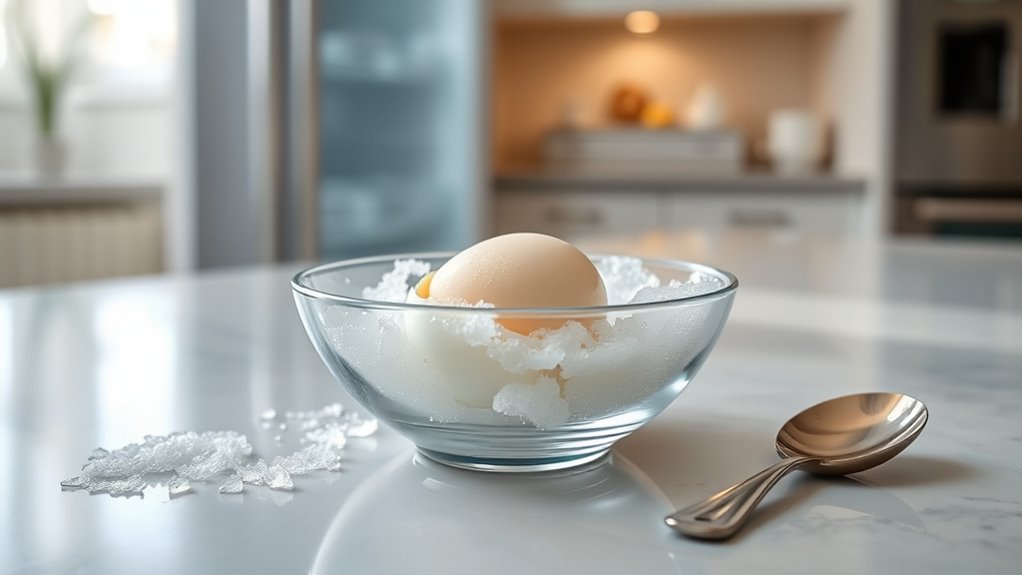
Although eggs might seem simple, their unique structure affects how they freeze and thaw. When you freeze an egg, the water content inside expands, which can cause the shell to crack if frozen whole. That’s why it’s best to freeze eggs without their shells.
You can beat the eggs together or separate yolks and whites before freezing. The yolk’s texture changes due to its fat and protein content, making it thicker after freezing. The white, mostly water and protein, freezes more solidly.
The Impact of Freezing on Egg Texture
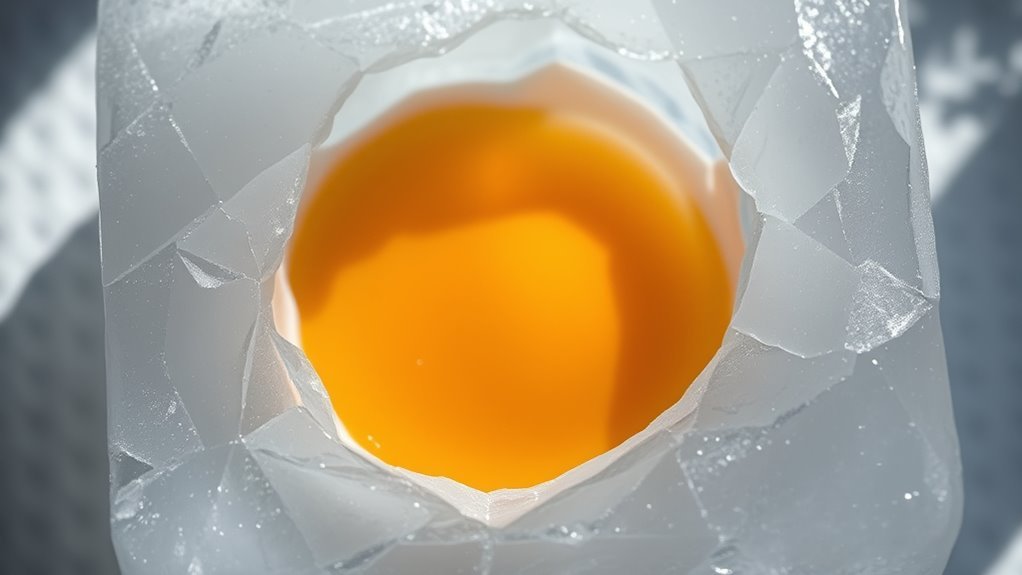
Freezing eggs changes their texture in ways you’ll notice when cooking. When eggs freeze, the water inside expands, causing the egg’s cell structure to break down. This alteration makes thawed eggs less firm and sometimes watery compared to fresh ones.
If you cook a frozen-and-thawed egg, you might find the whites runnier and the yolks less creamy. This change can affect dishes where texture is key, like poached or fried eggs.
However, if you plan to use frozen eggs in baking or scrambled eggs, the texture difference is often less noticeable. To minimize texture changes, beat the eggs before freezing and store them in airtight containers. This helps maintain a more consistent texture when thawed and cooked.
Can Frozen Eggs Cause Foodborne Illness?
If you handle and store frozen eggs properly, they won’t increase your risk of foodborne illness. The key is preventing bacterial growth, especially from Salmonella, which can be present in raw eggs.
Freezing eggs doesn’t kill bacteria but slows their activity. To keep frozen eggs safe:
- Freeze eggs promptly after cracking or mixing.
- Store them at 0°F (-18°C) or lower.
- Avoid thawing eggs at room temperature; instead, thaw in the refrigerator.
- Cook eggs thoroughly after thawing to eliminate any bacteria.
Signs of a Frozen Egg Gone Bad
How can you tell when a frozen egg has gone bad? First, check the shell for cracks or an unusual slimy texture, which signals contamination.
Once thawed, inspect the egg’s appearance. If the yolk or white looks discolored, cloudy, or has an off-putting texture, discard it immediately.
Smell is a key indicator; if the egg emits a sour or sulfur-like odor, it’s spoiled.
Avoid tasting any suspicious egg, as that risks food poisoning.
Also, if the egg has been frozen too long or thawed improperly, its quality deteriorates, increasing spoilage chances.
Trust your senses and err on the side of caution. Recognizing these signs helps you avoid consuming unsafe frozen eggs and protects your health.
Safe Methods to Freeze Eggs
While freezing eggs can extend their shelf life, you need to prepare them properly to maintain quality and safety. Simply cracking eggs into a container and freezing them can lead to texture changes and potential contamination.
Instead, follow these safe methods:
Crack eggs into a bowl, whisk gently until blended, then pour into ice cube trays for portioned freezing. Label containers with the date to keep track of freshness. Use airtight, freezer-safe containers or heavy-duty freezer bags to prevent freezer burn.
Avoid freezing eggs in their shells, as they can crack and compromise safety.
Thawing Frozen Eggs Correctly
When you’re ready to use frozen eggs, thawing them properly guarantees they maintain their texture and safety. The best way is to transfer the frozen eggs from the freezer to the refrigerator and let them thaw slowly overnight.
This gradual thawing prevents bacterial growth and helps preserve the eggs’ quality.
If you need them sooner, place the sealed container in a bowl of cold water, changing the water every 30 minutes until thawed. Avoid using warm or hot water, as it can promote bacterial growth and partially cook the eggs. Never thaw frozen eggs at room temperature.
Once thawed, give the eggs a gentle stir before using, as the yolks and whites may have separated. Use thawed eggs within 24 hours for ideal freshness and safety.
Cooking Tips for Frozen Eggs
Because frozen eggs can change in texture after thawing, you’ll want to adjust your cooking methods to achieve the best results. Frozen eggs often become slightly watery or grainy, so cooking them gently and thoroughly helps improve texture and flavor.
Here are some tips to keep in mind:
- Whisk the eggs well before cooking to combine separated parts.
- Cook on low to medium heat to avoid rubbery texture.
- Use them in recipes where eggs are mixed with other ingredients, like casseroles or omelets.
- Avoid frying frozen eggs sunny-side-up, as the texture may not set properly.
Nutritional Changes in Frozen Eggs
Although freezing can alter the texture of eggs, it generally has minimal impact on their nutritional value. When you freeze eggs, the proteins, fats, vitamins, and minerals largely remain intact. You won’t lose much of the egg’s natural nutrients like protein or essential vitamins such as B12 and D.
However, slight changes in texture might affect how your body digests the proteins, but this doesn’t considerably reduce their nutritional benefits.
Keep in mind, though, that if you freeze eggs improperly or for too long, you risk freezer burn, which can degrade quality.
Alternatives to Freezing Whole Eggs
Freezing whole eggs isn’t the only way to preserve them, especially if you want to maintain their quality and nutritional value. Instead, you can explore other methods that might suit your needs better.
For example, you might separate and freeze just the yolks or whites, which freeze more evenly.
Another option is to scramble the eggs before freezing, which can simplify future cooking.
You could also consider dehydrating eggs to create powder, a space-saving alternative.
Finally, pickling eggs in vinegar can extend their shelf life with added flavor.
Here are some alternatives to freezing whole eggs:
- Freeze separated yolks or whites individually
- Freeze scrambled eggs in portions
- Dehydrate eggs into powder form
- Pickle eggs in vinegar for preservation
These methods help you avoid texture issues common with freezing whole eggs.
Common Myths About Frozen Eggs
When you hear about frozen eggs, you might come across some misleading ideas that could make you hesitant to use them. One common myth is that freezing eggs changes their texture or makes them unsafe to eat.
In reality, if you freeze eggs properly by cracking and mixing yolks and whites before freezing, they maintain their quality and safety.
Another myth is that frozen eggs can’t be used for baking or cooking, but they work just as well as fresh eggs in most recipes.
Frozen eggs are just as effective as fresh ones for baking and cooking.
Some people worry about bacteria growth, but freezing actually prevents bacterial development.
Understanding these facts helps you confidently use frozen eggs without worry, saving you time and reducing waste in your kitchen.
Don’t let myths stop you from enjoying frozen eggs safely.
Frequently Asked Questions
Can You Freeze Eggs in Their Shells Without Cracking?
You shouldn’t freeze eggs in their shells because they’ll likely crack as the liquid inside expands. Instead, crack them open, beat the yolks and whites together, then freeze in a sealed container for best results.
How Long Can Frozen Eggs Be Stored Safely?
You can safely store frozen eggs for up to one year in the freezer. Just make sure to label them with the date and keep them sealed tightly to maintain quality and prevent freezer burn.
Are Frozen Eggs Safe for Baking Recipes?
Frozen eggs are like hidden treasures in winter’s grasp; you can safely use them in baking recipes, but make sure they’re fully thawed and well-mixed to keep your batter smooth and your treats deliciously consistent.
Can Frozen Eggs Be Used in Raw Preparations Like Mayonnaise?
You shouldn’t use frozen eggs in raw dishes like mayonnaise because freezing can alter their texture and increase bacterial risks. It’s safer to stick with fresh, pasteurized eggs for those recipes to avoid foodborne illness.
What Is the Best Way to Label Frozen Eggs for Storage?
Like a secret code, label your frozen eggs with the date and number before sealing. You’ll avoid mystery surprises later, ensuring freshness and safety every time you reach into your freezer for breakfast magic.
Conclusion
You might wonder if eating a frozen egg is risky—but if you freeze and store it properly, it’s generally safe. Avoid freezing eggs in their shells to prevent cracking and contamination.
Instead, separate or beat them before freezing, and always check for signs of spoilage before use. Thaw them slowly in the fridge to keep quality intact.
So yes, with the right care, enjoying frozen eggs doesn’t have to be a gamble. Eating a frozen egg safely is possible when you follow these guidelines.