How Many Pounds of Beef Brisket Per Person Guide
Did you know that beef brisket can lose up to 40% of its weight during cooking? This significant shrinkage is an important factor to consider when estimating how many pounds of beef brisket per person you need for your meal. Proper planning ensures you have enough meat without excessive leftovers.
When you’re planning a meal, this shrinkage makes a big difference in how much meat you actually need per person. If you want to serve the right portion without running short or having too many leftovers, you’ll need to take into account several factors.
Let’s explore how to calculate the perfect amount of brisket for your guests. Understanding these details will help you serve delicious, satisfying portions every time.
Factors Affecting Beef Brisket Quantity
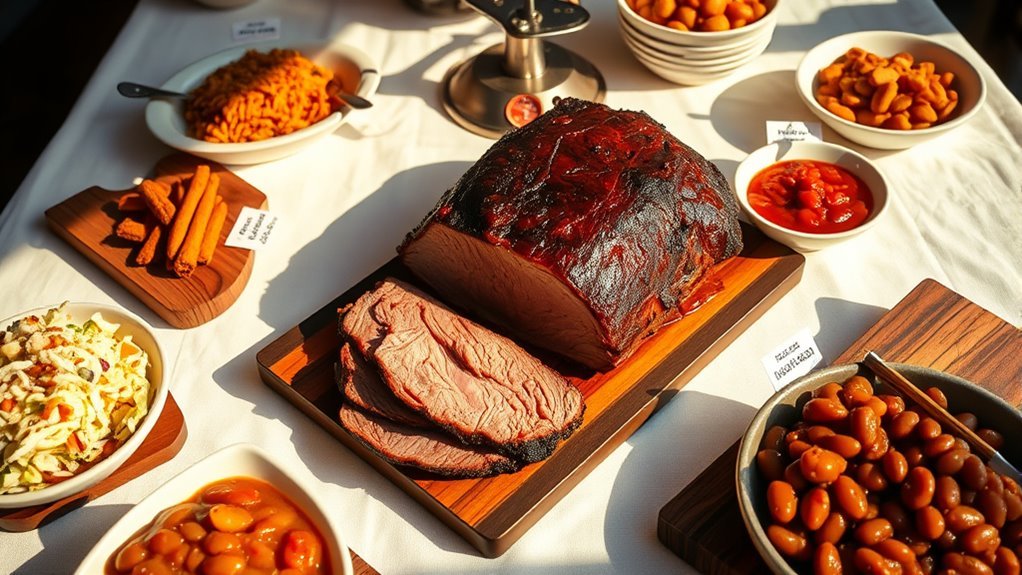
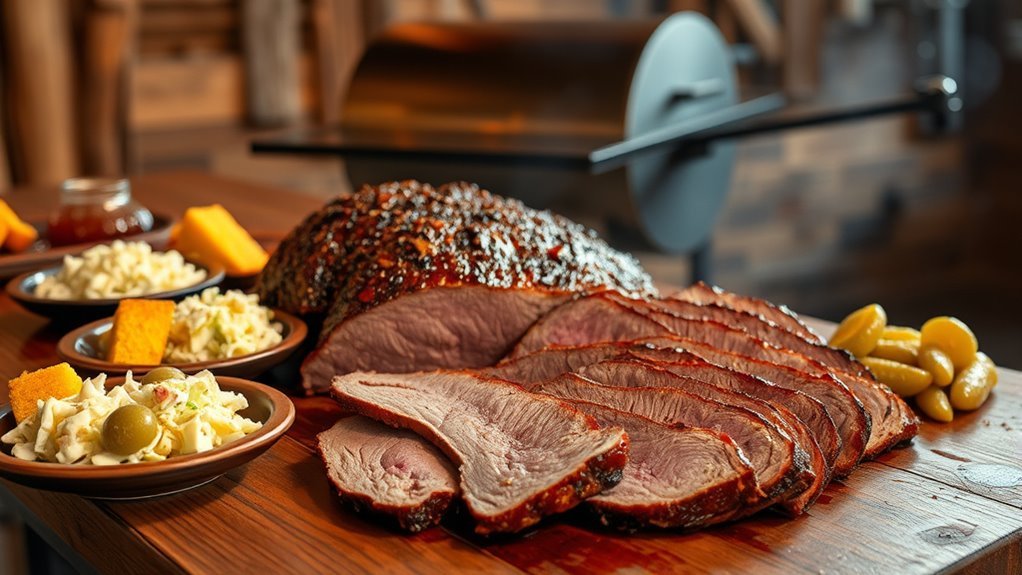
Although you might think the amount of beef brisket needed per person is straightforward, several key factors actually influence the quantity. First, consider the appetite of your guests. Some people eat more, while others prefer smaller portions.
Next, think about the cooking method. Slow-cooked brisket loses more moisture and weight, so you’ll need to start with a larger piece.
Slow cooking brisket reduces its weight due to moisture loss, so begin with a bigger cut.
Also, factor in whether you’re serving other dishes alongside the brisket. If you have plenty of sides, guests might eat less brisket.
Don’t forget about trimming. The amount of fat you remove before cooking affects the final yield.
Finally, consider the event type. A casual backyard barbecue might call for more generous servings compared to a formal dinner.
Keeping these factors in mind helps you plan accurately.
Standard Serving Size of Beef Brisket
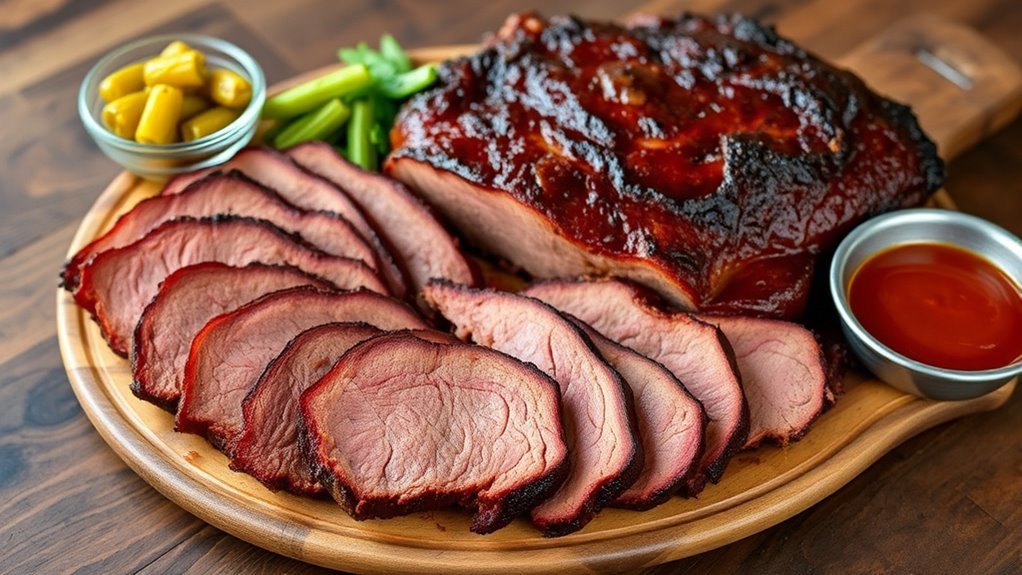
When planning how much beef brisket to serve, it’s helpful to know the standard serving size per person. Typically, you’ll want to allocate about one-half pound of cooked brisket per guest. Keep in mind that brisket loses weight during cooking due to fat and moisture loss, so buying more raw meat is necessary.
Here’s a quick guideline:
- Plan for ¾ to 1 pound of raw brisket per person.
- Expect roughly 30-40% shrinkage after cooking.
- Adjust total raw weight based on side dishes and meal type.
- Consider trimming fat before cooking to reduce shrinkage.
Adjusting Brisket Amount for Different Appetite Sizes
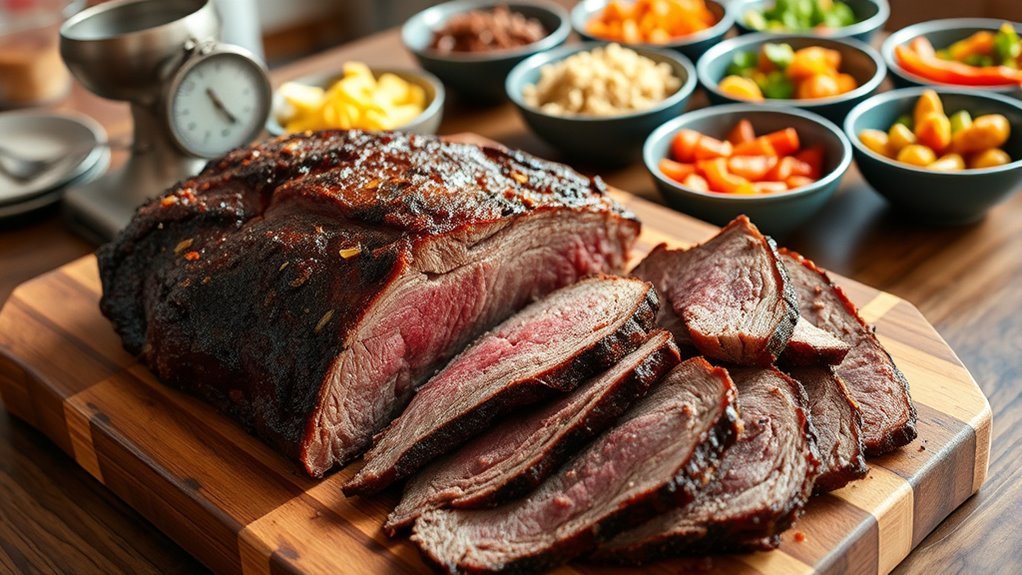
Since appetites vary widely, you’ll want to adjust the amount of brisket accordingly to guarantee everyone leaves satisfied. If your guests are big eaters or you’re feeding a crowd of mostly men, consider increasing the portion to about ¾ to 1 pound per person.
For lighter eaters or events with many children, ½ pound per person usually suffices. Also, if you know your group loves brisket specifically, err on the side of extra meat to avoid running short.
Conversely, if brisket is just one part of a larger meal, you can scale back slightly.
Impact of Side Dishes on Brisket Portions
Adjusting brisket portions based on appetite sizes is just one part of planning your meal. Side dishes play a vital role in determining how much brisket you actually need. When you serve hearty sides, guests tend to eat less meat, so you can reduce the brisket amount accordingly.
Consider these points when planning:
- Heavy sides like mac and cheese or mashed potatoes fill people up quickly.
- Light sides such as salads or steamed veggies encourage larger brisket portions.
- Variety matters—offering multiple sides balances appetite and keeps guests satisfied.
- Meal context If sides are the main attraction, cut back on brisket; if brisket is the star, plan for more.
Calculating Brisket for Large Groups
Planning brisket for large groups requires careful calculation to guarantee everyone is satisfied without excessive leftovers. Start by estimating about ½ to ⅔ pound of raw brisket per person if you have hearty eaters or minimal sides.
For lighter appetites or generous sides, ⅓ to ½ pound per person usually works. Multiply your chosen portion size by the number of guests to determine the total brisket weight.
Keep in mind that brisket shrinks roughly 30-40% during cooking, so factor that into your purchase amount. If your group is diverse, consider rounding up slightly to accommodate bigger appetites or second servings.
Accurate calculations help you avoid running short or wasting food, ensuring a smooth, enjoyable meal for everyone.
How Cooking Method Influences Meat Yield
Understanding how much brisket to buy is just one part of the equation; how you cook it directly affects the final yield. Different cooking methods cause varying moisture loss and fat render, which impacts the amount of edible meat you end up with. Consider these points:
1. Smoking
Slow smoking renders fat and breaks down collagen, shrinking the brisket but enhancing tenderness and flavor.
2. Oven Roasting
Retains more moisture if wrapped, resulting in slightly higher yield than open roasting.
3. Slow Cooker
Maintains moisture well but can cause some meat to become shred-prone, slightly reducing usable portions.
4. Grilling
Quick cooking at high heat retains more weight but may sacrifice tenderness.
Knowing your cooking method helps you adjust your purchase to serve everyone perfectly.
Estimating Weight Loss During Cooking
Because brisket loses moisture and fat during cooking, you’ll want to estimate weight loss to buy the right amount. Typically, brisket shrinks by about 30% to 50% depending on cooking time and method.
For example, slow-smoking can result in up to a 50% loss, while braising might cause closer to 30%. To guarantee you have enough meat, plan on purchasing 1.5 to 2 times the weight you want to serve after cooking.
If you want to serve one pound of cooked brisket per person, buy between 1.5 and 2 pounds raw. Keep in mind that leaner cuts lose less fat, so your estimate may vary slightly.
Factoring in this shrinkage helps you avoid running short at the table.
Tips for Buying the Right Cut of Brisket
Knowing how much brisket to buy is just one part of getting great results. Choosing the right cut guarantees you get the texture and flavor you want. Here are four tips to help you pick the perfect brisket:
- Look for marbling: Small streaks of fat throughout the meat add flavor and keep it tender during cooking.
- Choose whole packer brisket: It includes both the flat and point, offering more versatility.
- Check the color: Fresh brisket should be bright, deep red without any brown or gray spots.
- Consider thickness: A uniform thickness helps the brisket cook evenly, preventing dry or undercooked parts.
Handling Leftovers and Portion Control
When you’ve cooked more brisket than you can eat in one sitting, managing leftovers wisely guarantees nothing goes to waste and your next meal is just as satisfying.
First, portion the brisket into individual servings right after it cools; this makes reheating easier and controls how much you eat later.
Store the portions in airtight containers or wrap them tightly in foil to maintain freshness. Keep brisket in the fridge for up to four days or freeze it for longer storage.
When reheating, use low and slow methods like oven warming or stovetop steaming to retain moisture.
Budgeting for Beef Brisket Purchases
Although beef brisket can be a bit pricey, you can still enjoy it without breaking your budget by planning your purchases carefully. Start by knowing how much brisket you need per person to avoid overbuying.
Look for sales or bulk discounts at your local butcher or grocery store. Consider buying a whole brisket and freezing portions to save money over time.
Finally, don’t overlook lesser-known cuts that offer similar flavor at a lower price.
- Calculate exact portions to prevent waste
- Hunt for discounts or sales regularly
- Buy in bulk and freeze extras
- Opt for affordable brisket cuts when possible
Frequently Asked Questions
What Is the History of Beef Brisket in Different Cuisines?
You’ll find beef brisket rooted in Jewish, Texan, and Korean cuisines, each adding unique flavors. Jews braised it for holidays, Texans smoked it low and slow, and Koreans marinated it for rich, tender barbecue dishes.
How Should Beef Brisket Be Stored Before Cooking?
Imagine you bought brisket for a weekend cookout—you should store it in the coldest part of your fridge, wrapped tightly in plastic wrap or butcher paper, and use it within 3-5 days to keep it fresh and safe.
What Are the Best Spices and Rubs for Brisket?
You’ll want to use a mix of salt, black pepper, garlic powder, and paprika for a classic rub. Adding brown sugar, cumin, and chili powder amps up the flavor, giving your brisket a perfect smoky crust.
Can Brisket Be Cooked in a Slow Cooker Effectively?
Yes, you can cook brisket in a slow cooker effectively. You’ll get tender, juicy meat by cooking it low and slow for 8-10 hours. Just add your favorite spices and some liquid to keep it moist.
How Long Does Beef Brisket Typically Take to Cook?
Time is the secret ingredient—beef brisket typically takes 1 to 1.5 hours per pound at 225°F. You’ll want patience, low heat, and slow cooking to transform tough meat into tender, juicy perfection.
Conclusion
So, you want to feed your crowd without turning into a brisket butcher or a math wizard? Just remember: buy a bit more than you think—because who doesn’t love leftovers or a meat mountain? Shrinkage is real, but so is the risk of starving guests.
Unless you’re aiming for a veggie-only apocalypse, stick to the guide, adjust for appetites, and maybe prepare for some serious brisket bragging rights. When figuring out how many pounds of beef brisket per person, it’s always safer to round up.
Bon appétit, brisket boss! With the right planning, your beef brisket feast will be a hit every time.