How Long Does Beef Last in the Fridge and How to Store It
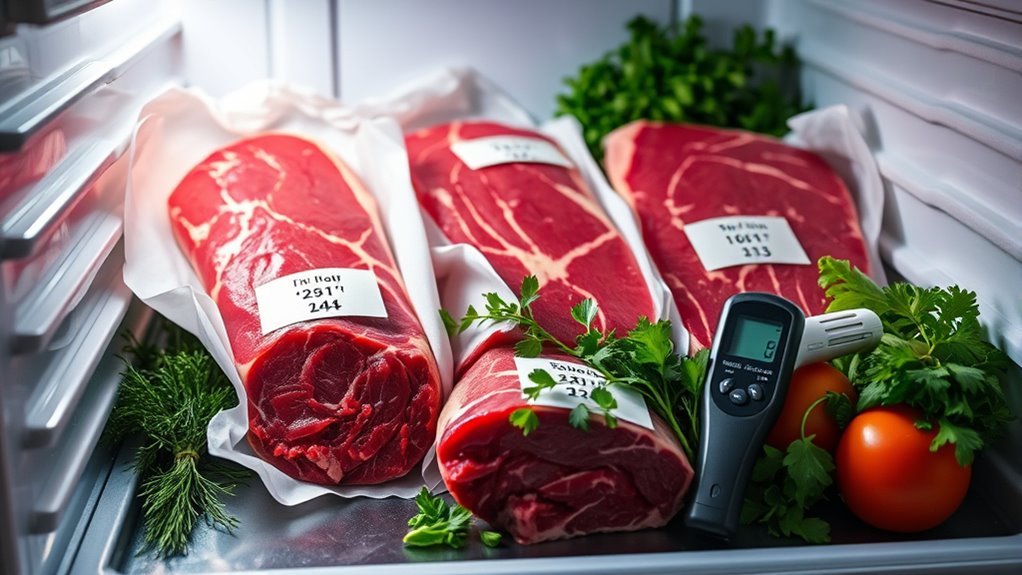
You can keep raw beef in your fridge for 3 to 5 days, but ground beef should be used within 1 to 2 days. Cooked beef leftovers last about 3 to 4 days. Proper storage of beef in the refrigerator is essential to maintain its freshness and prevent spoilage.
Store beef tightly wrapped or in airtight containers on the coldest fridge shelf at 34-40°F (1-4°C). Always check for off smells or sliminess before use to ensure safety. Following proper storage tips helps maintain freshness and safety—you’ll find helpful details on handling and signs of spoilage ahead.
How Long Does Raw Beef Last in the Fridge?
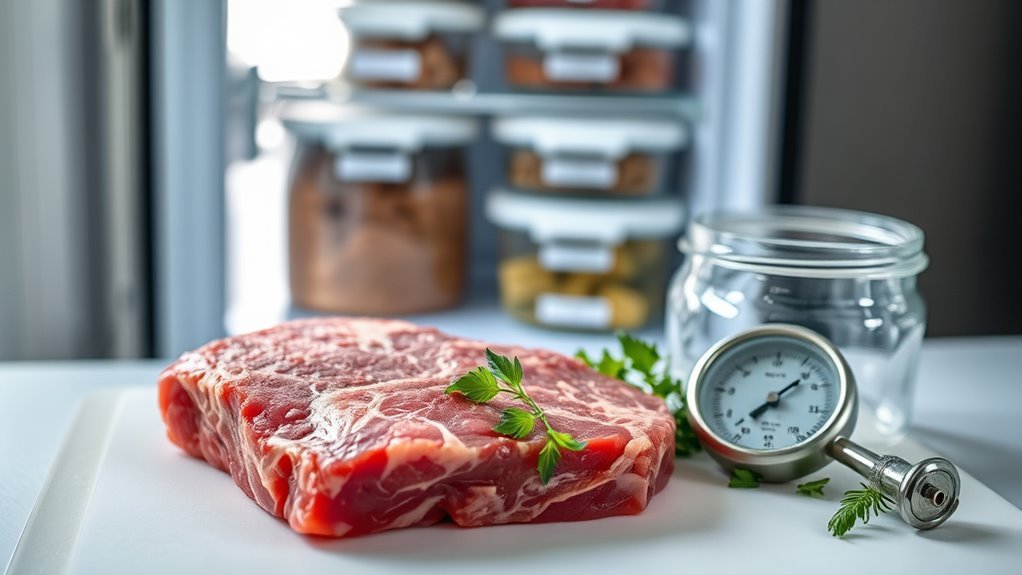
Although it depends on the cut and packaging, raw beef typically lasts about 3 to 5 days in the fridge. You should store it in its original packaging if unopened, but once opened, wrap it tightly in plastic wrap or foil to prevent exposure to air and bacteria.
Keep raw beef on the lowest shelf to avoid dripping onto other foods. Check the “sell by” date as a guide, but always trust your senses—if it smells sour or feels sticky, it’s best to discard it.
For ground beef, expect a shorter fridge life, closer to 1 or 2 days, because it spoils faster. Proper storage and timely use help you avoid waste and foodborne illnesses.
How Long Do Cooked Beef Leftovers Stay Fresh?
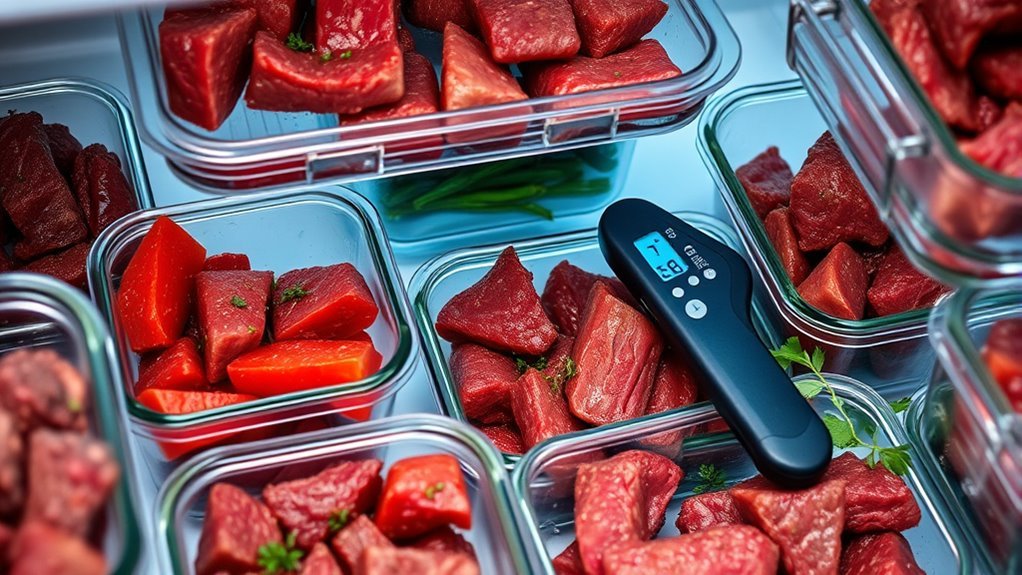
When you store cooked beef leftovers properly, they can stay fresh in the fridge for 3 to 4 days. To keep your leftovers safe and tasty, refrigerate them within two hours of cooking.
Place the beef in shallow, airtight containers or wrap it tightly with aluminum foil or plastic wrap to prevent moisture loss and contamination.
Label the containers with the date so you can track freshness. Avoid leaving cooked beef at room temperature for too long, as bacteria multiply quickly.
When reheating, make sure the beef reaches an internal temperature of 165°F (74°C) to kill any potential bacteria.
If you notice any off smells, slimy texture, or discoloration, it’s best to discard the leftovers to avoid foodborne illness.
How to Store Different Cuts of Beef for Maximum Freshness
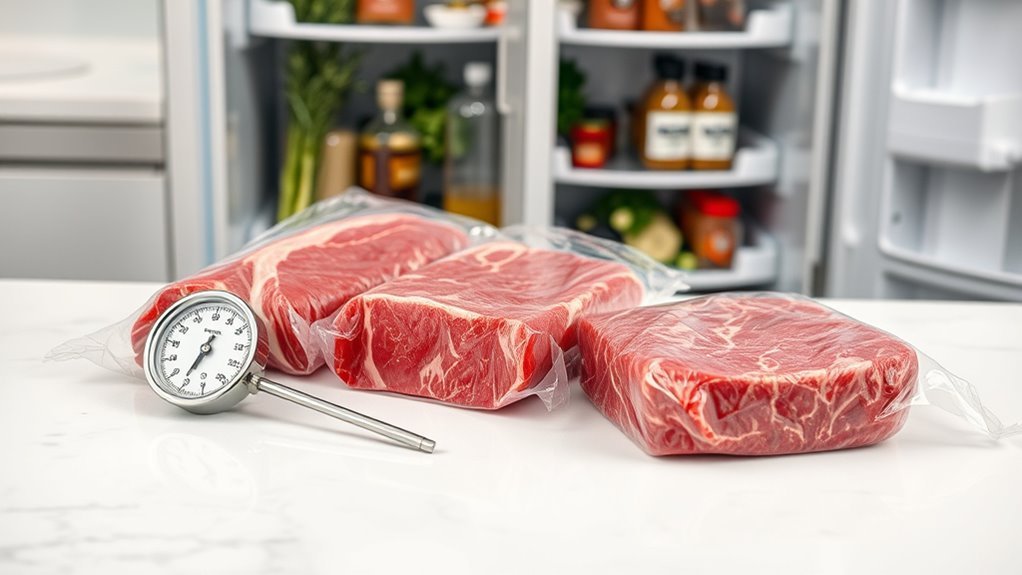
To keep your beef fresh, you’ll need to store different cuts properly.
Ground beef should be tightly wrapped and used quickly.
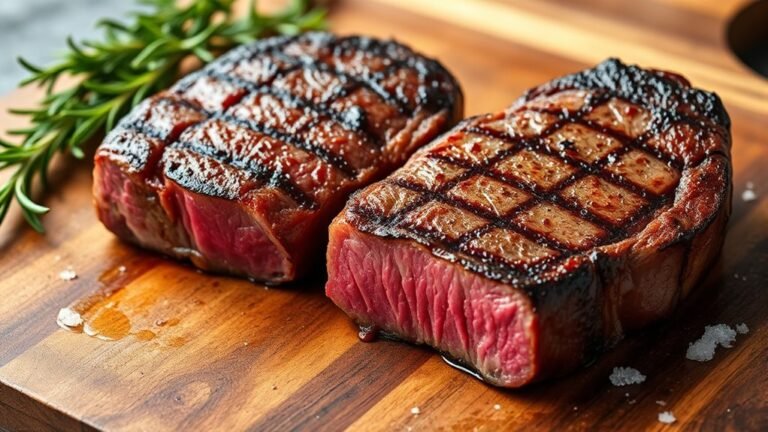
Steaks benefit from being kept on a plate covered with plastic wrap.
For roasts, it’s best to keep them in their original packaging or tightly sealed to preserve flavor and moisture.
Storing Ground Beef
Since ground beef spoils faster than whole cuts, you should store it carefully to maintain freshness. Keep it in its original packaging if you plan to use it within one to two days.
For longer storage, rewrap the ground beef tightly in plastic wrap or aluminum foil, then place it inside a resealable freezer bag to prevent freezer burn.
Always label the package with the date. Store ground beef in the coldest part of your fridge, ideally at 40°F (4°C) or below.
Avoid leaving it out at room temperature for too long, as bacteria multiply quickly.
When you’re ready to use it, thaw ground beef in the fridge or in cold water, never on the counter.
Proper storage helps keep your ground beef safe and tasty.
Preserving Steaks Properly
Although steaks generally last longer than ground beef, you’ll want to store each cut properly to maintain its flavor and texture. Proper storage prevents spoilage and keeps your steaks juicy and tender.
Here’s how to preserve different cuts effectively:
- Wrap steaks tightly in plastic wrap or butcher paper to limit air exposure.
- Store them on the bottom shelf of the fridge where it’s coldest.
- Use airtight containers or vacuum sealers for longer freshness.
- Keep different cuts separate to avoid cross-contamination and flavor transfer.
- Label packages with the date to track how long they’ve been stored.
Handling Roasts Correctly
When you handle roasts correctly, you can extend their freshness and preserve their rich flavor. Start by keeping roasts in their original packaging if you plan to cook them within a few days.
For longer storage, wrap them tightly in plastic wrap or butcher paper, then place them in a resealable plastic bag or airtight container.
Store roasts on the bottom shelf of your fridge to prevent cross-contamination and maintain a consistent temperature around 34-40°F (1-4°C).
If you won’t cook the roast within 3-5 days, freeze it to lock in freshness.
When thawing, do so slowly in the fridge to keep the meat safe and tender.
Proper handling guarantees your roasts stay juicy and flavorful for every meal.
How Packaging Affects Beef’s Fridge Life
Because packaging plays a crucial role in preserving beef, you should pay close attention to how your meat is wrapped before storing it in the fridge. Proper packaging limits exposure to air, moisture, and contaminants, all of which can shorten beef’s fridge life.
Here’s what you need to take into account:
- Use airtight wraps like plastic wrap or vacuum-sealed bags to minimize oxygen exposure.
- Avoid loosely wrapping, which lets air and bacteria in.
- If beef is store-packaged in butcher paper, rewrap it tightly before refrigerating.
- Keep packaging dry to prevent bacterial growth.
- Label the package with the date to track freshness and avoid spoilage.
How to Extend Beef’s Freshness Without Freezing
Proper packaging sets the foundation for keeping your beef fresh longer, but there are additional steps you can take to extend its freshness without freezing.
First, store beef in the coldest part of your fridge—usually the bottom shelf at the back—to slow bacterial growth. Keep the temperature consistently below 40°F (4°C).
You can also place the beef on a plate or shallow dish lined with paper towels to absorb excess moisture, which helps prevent spoilage.
Avoid overcrowding the fridge; good air circulation maintains even cooling.
If you won’t cook the beef within a couple of days, consider marinating it; acidic marinades slow bacterial growth and can preserve texture.
Finally, always reseal the package tightly or transfer beef to airtight containers to minimize exposure to air.
What Signs Show That Beef Has Gone Bad?
If you notice an off smell, slimy texture, or discoloration, your beef has likely gone bad. Paying attention to these signs helps you avoid foodborne illness and wasted money.
Here are five key indicators that your beef isn’t safe to eat:
- Sour or rancid odor: A strong, unpleasant smell is a clear warning.
- Sticky or slimy feel: Beef should be moist but not slimy.
- Gray or greenish color: Fresh beef is bright red or pink; dull colors mean spoilage.
- Mold spots: Any fuzzy growth means toss it immediately.
- Excessive liquid in the packaging: More liquid than usual often signals decomposition.
Trust your senses—when in doubt, throw it out to stay safe.
How to Safely Thaw and Store Frozen Beef in the Fridge
Noticing signs that your beef has gone bad helps you avoid eating unsafe meat, but knowing how to handle frozen beef before it reaches that point is just as important. When thawing frozen beef, always do it in the fridge to keep it at a safe temperature and prevent bacterial growth.
Plan ahead, since thawing can take 12-24 hours depending on the cut and size. Once thawed, cook the beef within 1-2 days.
| Method | Time Required | Safety Tip |
|---|---|---|
| Refrigerator | 12-24 hours | Keep beef on a plate to catch drips |
| Cold Water Bath | 1-3 hours | Change water every 30 minutes |
| Microwave | Minutes | Cook immediately after thawing |
Storing thawed beef promptly in the fridge is key to maintaining freshness and safety.
When to Toss Beef: Food Safety Guidelines to Follow
Though it can be tempting to hang on to beef past its prime, knowing exactly when to toss it is essential for your health. Spoiled beef can cause food poisoning, so you need to be vigilant.
Here are key signs you shouldn’t ignore:
- A sour or off smell
- Slimy or sticky texture
- Discoloration, such as brown or green spots
- Expiration date has passed
- Beef has been in the fridge longer than 3-5 days (for raw beef)
If you notice any of these, discard the beef immediately. When in doubt, throw it out—it’s better to be safe than sorry.
Always store beef properly to extend its freshness and minimize risk. Keep your fridge at or below 40°F (4°C) and use airtight packaging.
Frequently Asked Questions
Can Marinating Beef Affect How Long It Lasts in the Fridge?
Yes, marinating beef can slightly extend its fridge life by adding acidity, which slows bacteria growth.
But don’t rely on it alone—always store it properly and use it within a few days to stay safe.
Does the Fat Content Influence Beef’s Fridge Storage Time?
You’ll find that higher fat content beef lasts about 1-2 days less in the fridge because fat spoils faster.
How Does Ground Beef Shelf Life Compare to Whole Cuts?
Ground beef spoils faster than whole cuts because it has more surface area exposed to bacteria. You should use ground beef within 1-2 days, while whole cuts can last 3-5 days refrigerated.
Can Leftover Beef Be Safely Reheated Multiple Times?
You can safely reheat leftover beef multiple times, but you shouldn’t do it more than twice. Each time you reheat, it increases bacteria risk and reduces quality, so cool and store it properly between reheats.
What Temperature Should My Fridge Be to Store Beef Properly?
You should keep your fridge at or below 40°F (4°C) to store beef properly. This temperature slows bacterial growth, helping your beef stay fresh and safe to eat longer.
Don’t forget to check your fridge thermometer!
Conclusion
You might think your beef will last forever in the fridge, but it won’t—just like that forgotten steak you found weeks later. By storing it properly and knowing when to toss it, you’re protecting yourself and your loved ones.
It’s surprising how a simple habit can prevent food waste and keep you safe. So, trust your senses, follow these tips, and enjoy your beef fresh every time—it’s worth it.
Proper beef storage and timely use are key to maintaining quality and safety. Understanding how long beef lasts in the fridge helps you avoid spoilage and foodborne illness. Keep these guidelines in mind to store your beef correctly and enjoy it safely.